International Day of Women in Sport: Three inspiring riders share their common passion for equestrian sport

- Categories : Default , Partnerships , Portrait

Three journeys, three personalities, one shared passion. Through these portraits, discover women dedicated to equestrian sport, living it with rigor, passion, and authenticity.

Portrait – France Paul : Endurance is the passion that drives us to go further

Can you introduce yourself briefly?

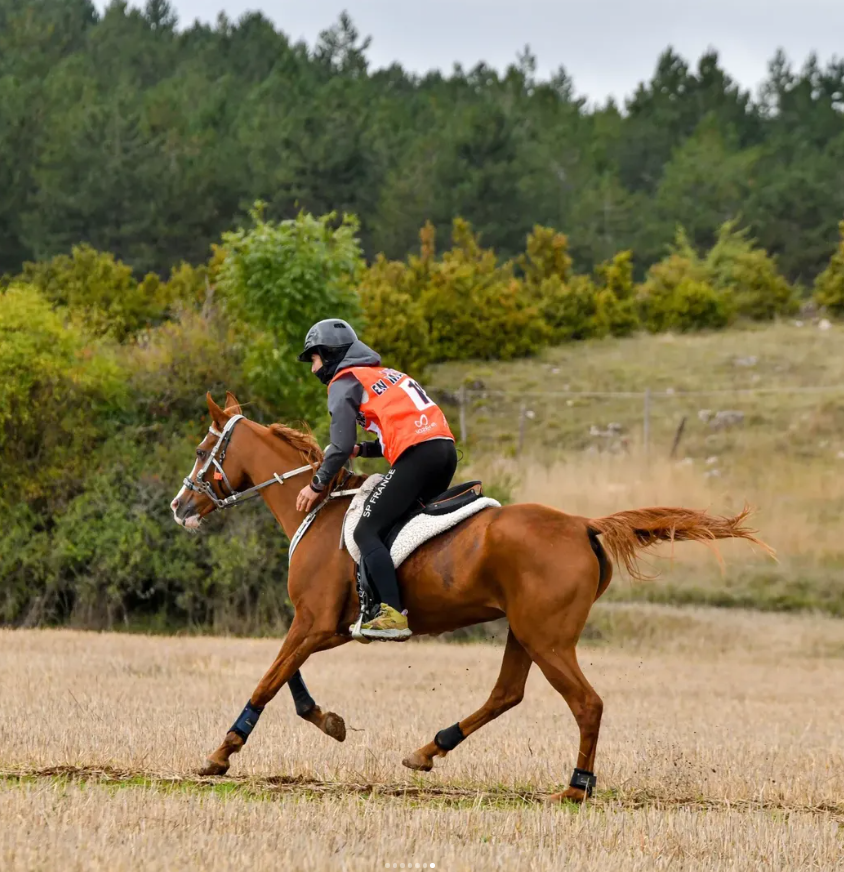
My name is France Paul, I’m 33 years old, and I’ve been a professional endurance rider for nearly 14 years. I founded my business with my partner, Paul Bard, and we are based in Haute-Marne. We run our own breeding farm, Valarbin, but we also take care of client horses. My top horse, D’Arhoz Rouge du Val, a 13-year-old Arabian this year, earned me a silver medal at the European Championships and is competing in her first championship representing France.

How did equestrian sport come into your life?

I’ve always been a rider, starting at the age of seven in a riding club. There were always horses at home, but nobody was truly professional. I began with classical riding under the strict guidance of François Rayé until I was 18. I had done one or two small endurance rides with my grandparents. At 18, my father had a minor health issue and offered me to ride his horse in endurance. From there, I completed all the qualifying rides for my first CEI* (Endurance Ride) which I won, and then my first CEI** with a horse named Necket de Moulouarn.

What does sport mean to you beyond performance?

For me, sport is a philosophy, a balance, a way of being. It’s key to succeeding in many areas of life: staying calm, fit, and relaxed. Sport can inspire ambition and satisfaction, but it also teaches you how to handle defeat, which is essential from a young age.

Have you faced any challenges as a woman in endurance riding?

Absolutely none. Equestrian sport is mixed, and we truly compete on equal footing with men. Honestly, sometimes I think we are even better (haha)! Before riding, I competed in athletics at a high level, participating in world and international championships. In that sport, the gender categorization was very strict, unlike in riding. So far, I feel lucky never to have faced difficulties simply because I am a woman.

What motivates you to keep going, even during difficult moments?

Endurance can be time-consuming and sometimes thankless; you can spend hours training without immediate results. What keeps me going is remembering those moments of exhilaration on horseback, or witnessing others perform and sharing in their excitement. Sometimes, a simple smile from my children at small local competitions is enough to recharge my energy.

What does the International Day of Women’s Sport mean to you?

Honestly, not much. I didn’t even know this day existed. I don’t think it’s necessary to distinguish between women’s and men’s sport. In our discipline, we face the same challenges on equal terms.

What message would you like to share with women who hesitate to start or persevere?

Go for it. No door is closed unless you decide to close it yourself. Believe in yourself, take the leap, and never give up, even when it gets tough. Most importantly, don’t hesitate to seek guidance, ask for advice, and learn from others.

What attracted you to endurance over other disciplines?

Endurance is a test over time. The length of the rides, managing effort and fatigue, and above all the trust you build with your horse make every achievement even more precious. Caring for your horse throughout the kilometers, taking responsibility for their well-being, is what makes the experience unique and moving.

How would you describe the physical and mental demands of this discipline?

Physically, we are prepared through daily life with horses: trail rides, gallop tracks, and the rhythm of stable life. Some riders supplement with additional training to balance muscle development. Mentally, endurance is demanding: rides are long, and you need to be resilient, able to express doubts, surround yourself with trustworthy people, and stay clear-headed to adapt your plans along the way.

How do you reconcile endurance riding with family life?

It’s not easy, but I’m lucky to have a partner in the same profession. We can share daily responsibilities. In hindsight, I realize that family remains the priority, and I always organize my schedule around my children and support network to balance competitions, training, and home life.

How do you prepare your horse for races and ensure their long-term well-being?

The key is to know your horse. Reading their signals, following the trainer’s advice, and adapting your strategy according to their behavior are essential. Experience helps a lot, but every horse is different, and you must remain vigilant to stay competitive while respecting their well-being.

Do you have a memorable moment in competition?

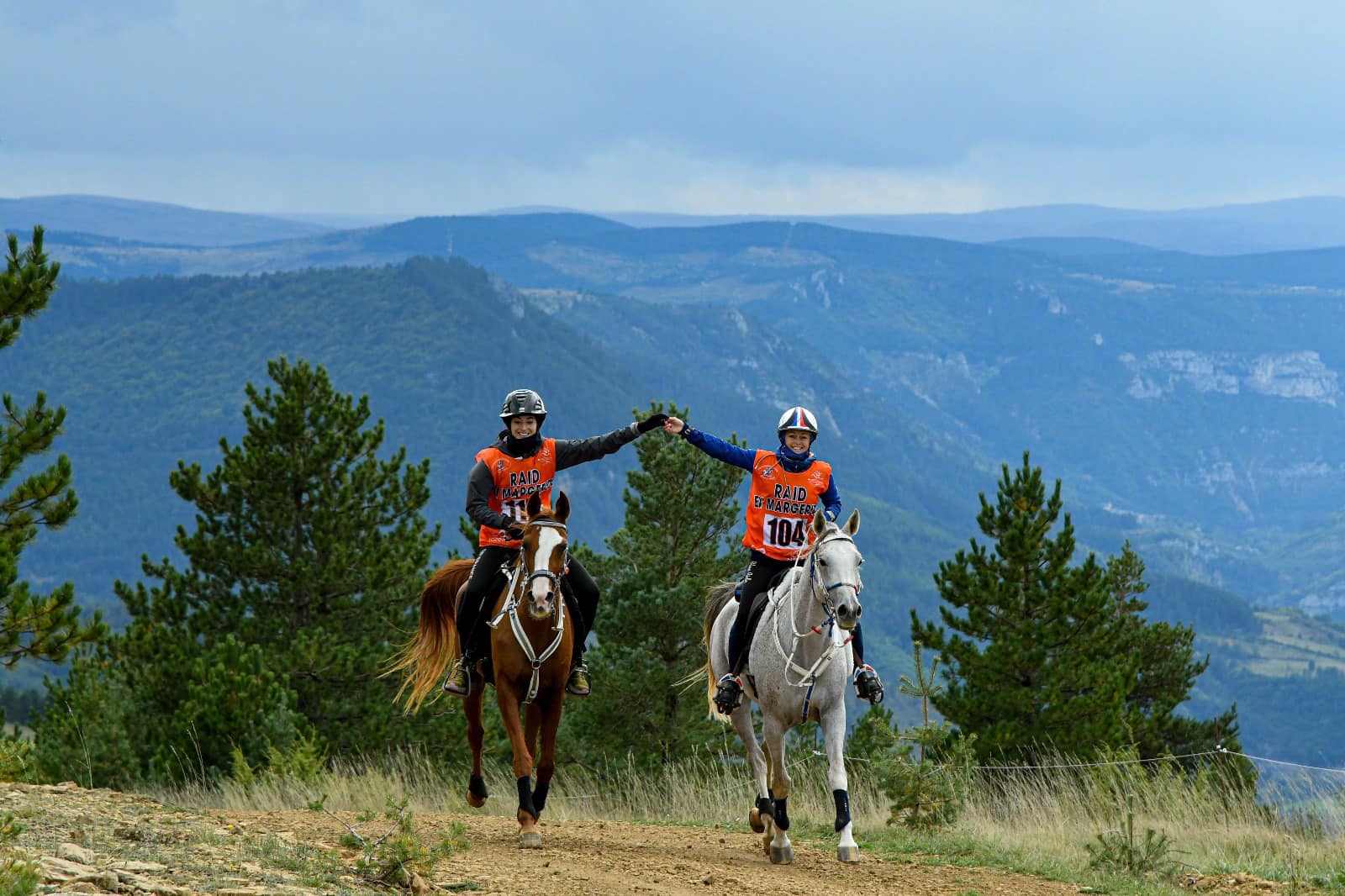
Two races stand out for me: Montcuq in 2023 with my mare over 2 x 100 km, and Florac, which remains my most memorable experience. At Florac, I ventured completely into the unknown, without my usual coaching, and we achieved 3rd place. It was an immense source of pride. (Left: France Paul and D’Arhoz Rouge du Val at the legendary Florac race)

What would you say to your “beginner self”?

I would tell her to never abandon her goals and always trust her first instinct. I have a few regrets about not being more proactive at school, as I had dreamed of becoming an equine veterinarian, but I still engage with this profession through my work.

France rides with the Florac 2.0 by Gaston Mercier, available here.

Portrait – Jolanda Adelaar: “My horse and my faith have taught me perseverance”

Could you introduce yourself briefly?

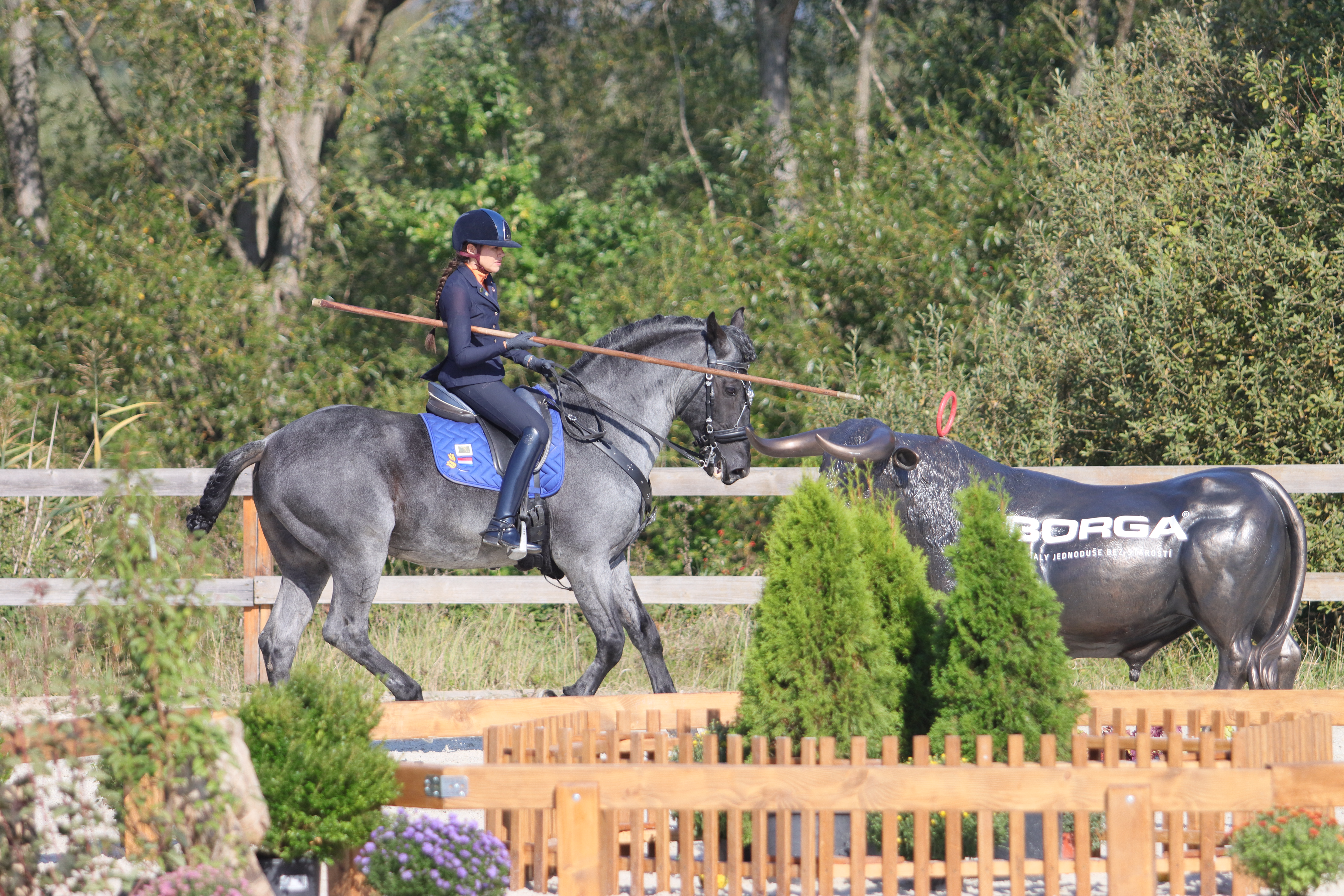
I am the first rider in the world to compete in Grand Prix dressage with a Murgese horse, one of Italy’s oldest and nearly extinct breeds. I hold dual nationality: Dutch and Italian. I also compete at the highest level in Working Equitation. In 2024, I won bronze at the Dutch Championships at Master level and represented the Netherlands at the European Championships in the Czech Republic. In 2026, I hope to compete at the World Championships in Spain.

How did equestrian sport enter your life?

My soul horse, Super Guus, came into my life when I was twelve. I trained him myself in a pasture between the cows. He was a draft horse full of spirit, who didn’t enjoy leisurely rides, which led me naturally to competition. Many said a Fjord horse wasn’t suited for sport, but I ignored them. Two years later, we became regional champions at Z2 level, and he went on to become the first Fjord in Dutch Subtop dressage. Super Guus was my best friend for 27 years and the reason I began my professional career. Together, we performed at major events, including the FEI World Cup Dressage in 2006. Known as “the farm horse that can do it all,” he passed away peacefully at home in 2023, aged 30.

What does sport mean to you beyond performance?

Sport represents equal opportunity. In the arena, social background, wealth, or status matter less—everyone competes under the same rules. It’s also deeply emotional, capable of inspiring, connecting, and showing what’s possible, regardless of where you come from.

Have you faced challenges as a woman in sport?

Yes. Like many women, I have faced challenges men never experience. I endured three miscarriages. During my last, I was taken to the hospital in labor by ambulance. For years, I carried this in silence. Experiencing grief while still being expected to perform shows how invisible women’s struggles in sport can be. These experiences taught me faith and resilience, and sport became a blessing, providing structure, purpose, and grounding during dark times.

What motivates you to keep going in difficult moments?

My relationship with God gives me strength. Daily prayer, especially the Rosary, brings peace and clarity. I am never walking this path alone, and no challenge is insurmountable when approached with faith and perseverance.

How does your relationship with your horse(s) affect your personal balance?

If I spend too much time away from my horses, I feel unbalanced. They keep me present. Horses carry not only our bodies but our emotions, reflecting what we bring to them and helping us regain equilibrium. I feel blessed to share my life with them.

What does the International Day of Women’s Sport mean to you?

It honors women not only for achievements but for the stories behind them. It creates space in environments that haven’t always been welcoming. Our physiology, cycles, and emotional intelligence shape how we train, recover, compete, and lead. Men also have a role in supporting women, so we’re not forced to “man up” in situations no man would face.

What message would you give to women who hesitate to start or persevere?

Your journey doesn’t have to follow a traditional path to be meaningful. Life may take a different direction, but it can still be powerful. Trust your intuition, your faith, and never underestimate your inner strength.

What advice would you give your “beginner self”?

Be kind to yourself and monitor your self-talk. The strictest critic in my career has always been my own mind. Progress doesn’t come from constant self-criticism, but from balancing high standards with patience, trust, and self-compassion.

Can you tell us about Working Equitation in the Netherlands?

It’s a growing discipline, bringing riders from diverse backgrounds together. With a strong equestrian culture and talented horsemen and women, the Netherlands has enormous potential. Given our success in dressage and show jumping at the Olympic level, I believe Working Equitation will continue to thrive here.

What makes this discipline so unique?

It combines classical dressage principles with dynamic, engaging presentations. Movements that can feel abstract in dressage come alive through music, obstacles, and speed. Working Equitation also celebrates national identity through tack, clothing, and riding style. Even spectators new to equestrian sport can feel the excitement. The cow trial reflects the discipline’s true origins: working in the countryside, performing daily farm tasks, and rewarding true horsemanship across multiple skills.

What role do women play in Working Equitation in your country?

Women play a strong and influential role, both as riders and in organizational positions. Their presence continuously shapes and elevates the discipline.

How do you combine tradition, technical skill, and modern approaches in your practice?

My background as a Grand Prix dressage rider and equine behavior therapist allows me to blend classical training principles with modern learning and behavior science. I specialize in clicker training, which is highly effective in my daily practice.

Has this discipline helped you gain confidence?

Absolutely. Working Equitation has challenged me in ways other equestrian sports never did, revealing abilities I didn’t know I had. Since starting in 2023, I’ve competed internationally at Master level with two horses, representing the Dutch national team. This discipline has helped me rediscover myself, not only as an athlete but as a woman confident in her path.

Jolanda rides the Doline II by Gaston Mercier, available here.

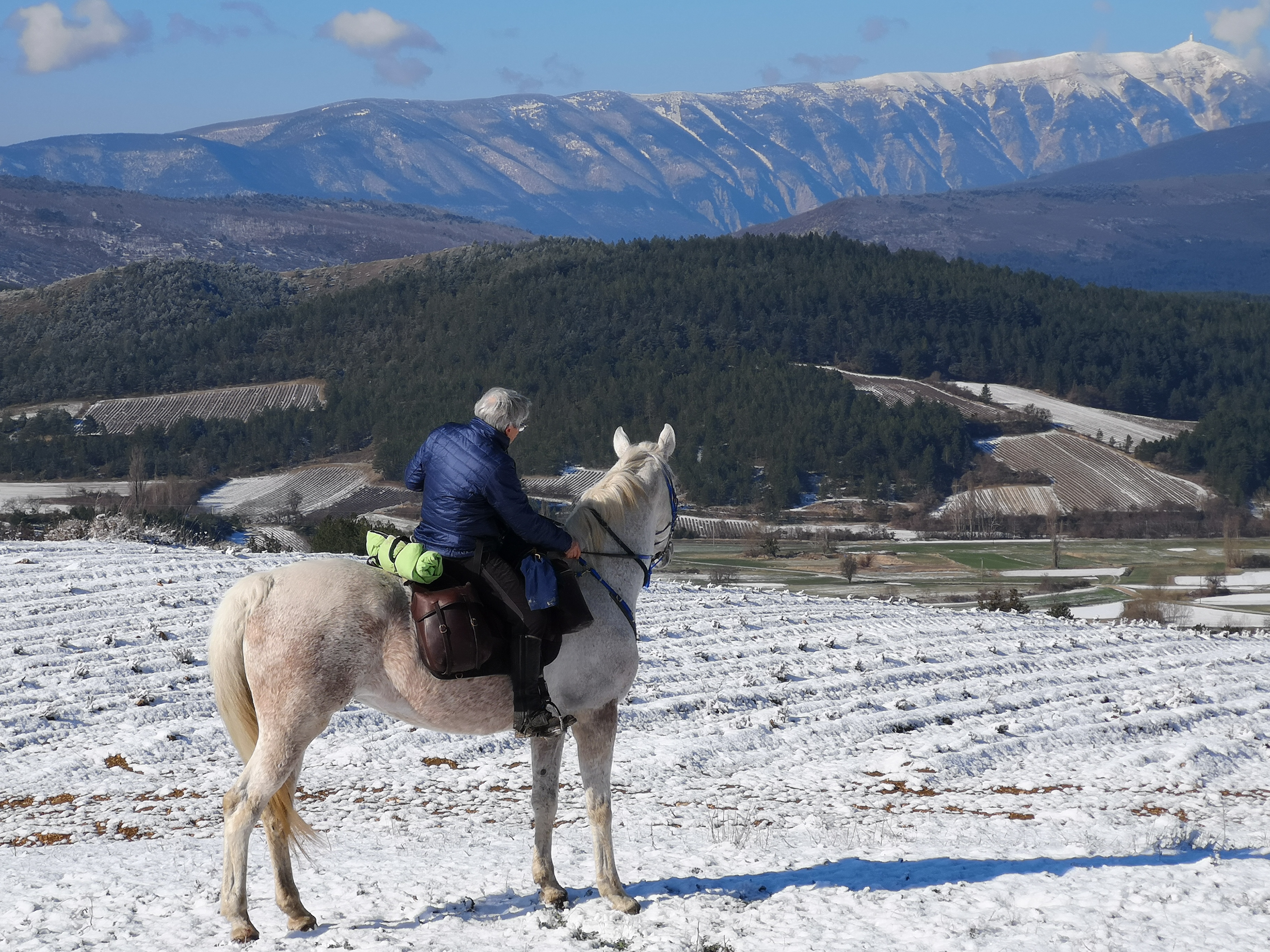
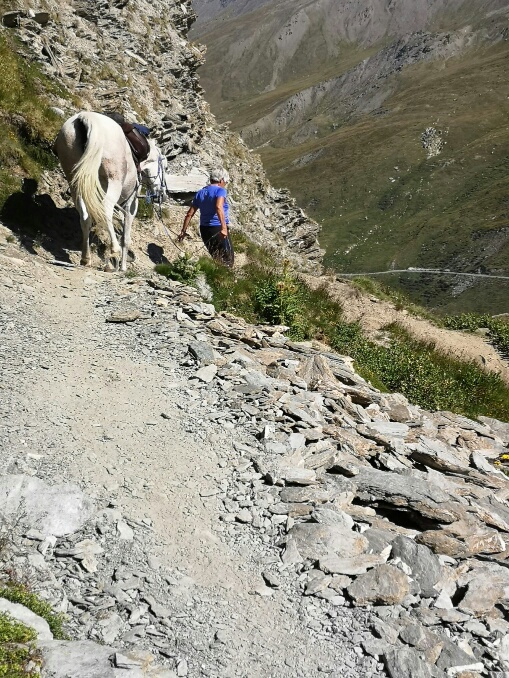
Portrait – Régine Bollon: Trail Riding is a Journey on Horseback

Can you introduce yourself briefly?

My name is Régine Bollon. I’ve been trail riding since the 1980s and also competed in endurance for nearly 30 years, taking part in around forty national events. Alongside my career, I created a boarding stable in Île-de-France and helped establish Enduro-Cheval, where I met Gaston and Manuel Mercier.

How did equestrian sport enter your life?

I discovered the world of horses around the age of 12 in Mauritania, with an Arabian horse that used to guard the camels before carrying me. After returning to France following my studies, I bought my first Arabian mare and crossed the country independently, from Rambouillet to Lozère. Since then, I’ve never stopped trail riding, exploring regions like Lozère, Ardèche, Haute-Loire, Brittany, Île-de-France, Queyras, Baronnies, and the Beaufortain.

What does sport mean to you today, beyond performance?

Sport has always been a part of my life. When I was younger, I competed in swimming and later discovered the mountains, completing many treks and climbs. Sport is a form of balance. Caring for around thirty horses every day fits perfectly with the way I live.

Have you faced any challenges as a woman in your sporting practice?

No, never. I’ve never felt that being a woman created any difficulties in my sporting practice.

What motivates you to keep going, even during more challenging moments?

I can’t really talk about particularly difficult moments, as long as health is good. To enjoy trail riding properly, whether on horseback or on foot, training is essential. The reward comes when the horse performs tasks with ease and calmness.

How important is your relationship with your horse for your personal balance?

Without my passion for horses, I don’t think I would feel balanced at all.

What does the International Day of Women’s Sport mean to you?

Not much, because I don’t separate women’s sport from men’s sport. Equestrianism is one of the few truly mixed sports.

What message would you like to share with women who hesitate to start or persevere?

No matter the sport, the most important thing is to enjoy it. If a discipline appeals to you, try it… and stop if it becomes a chore. Sports with a risk of falls simply require more vigilance.

What do you enjoy most about trail riding?

Trail riding allows me to discover a region in a different way. Stops in inns or refuges create opportunities to meet locals and fellow walkers. I prefer mountain trails for the landscapes, even if you sometimes forget about the pace. Flat trails are more cultural, with castles and monuments, and often allow more galloping. Planning the routes, stages, and accommodations is already part of the pleasure.

Do you think outdoor riding is sometimes underestimated?

Yes, often. It’s important to distinguish a short ride of a few hours—the most common—from a true multi-day trail ride, which is like a real journey on horseback. In the mountains, people I meet are usually very impressed by the horses’ work.

What does spending several hours or even days on horseback give you?

After more than 40 years of trail riding, the pleasure is still as strong as ever. Riding my horses and preparing the next adventure, like in the Verdon, Matheysine, or Clarée Valley, remains a huge source of motivation.

Any final words?

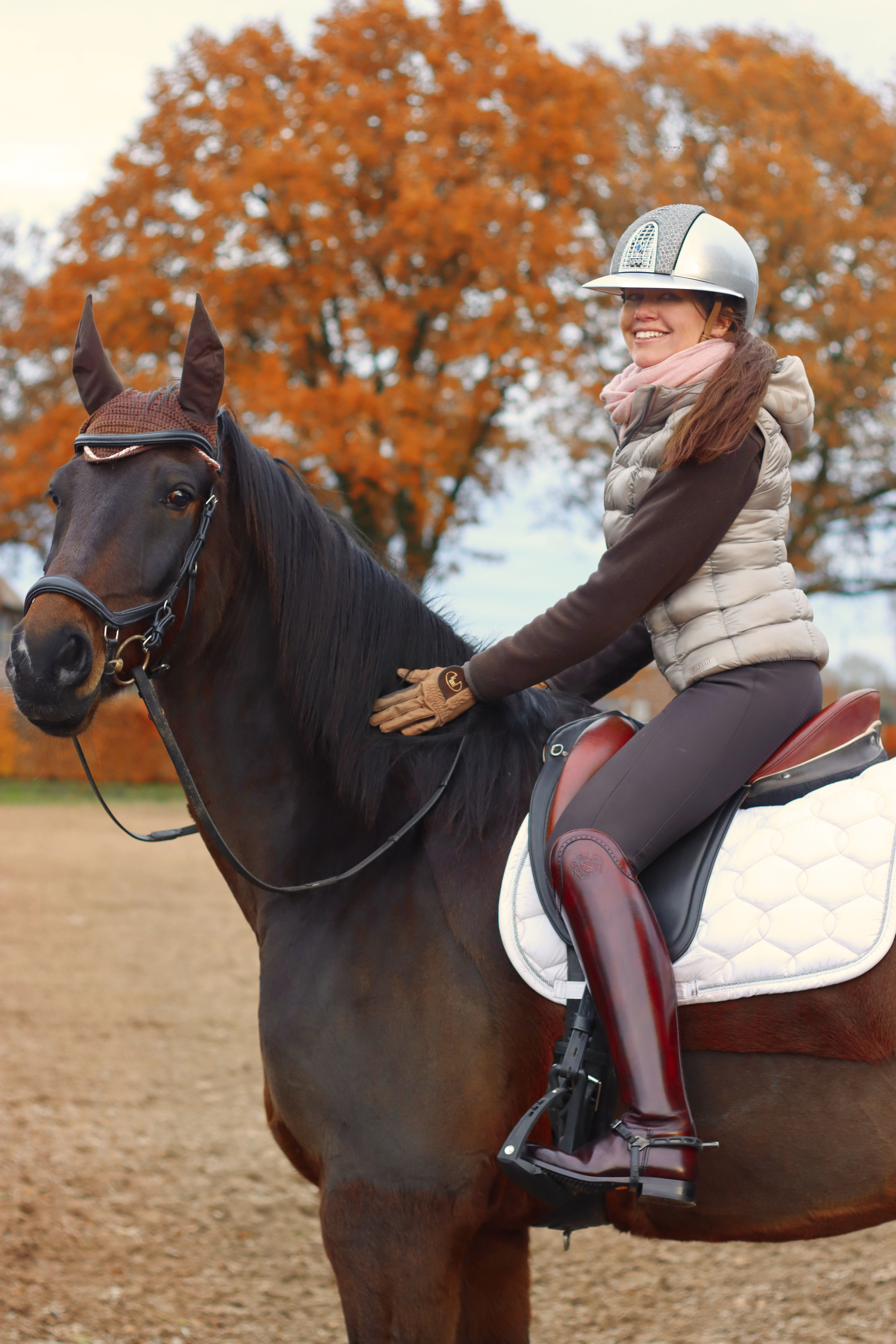
A very comfortable saddle, for both horse and rider, and perfectly adapted luggage thanks to Gaston Mercier saddlery.

Régine rides with the Compiègne by Gaston Mercier, available here.

These three riders remind us that passion, perseverance, and respect for the horse go far beyond performance. Whether it’s long-distance trail riding, demanding endurance competitions, or top-level Working Equitation, they share the same philosophy: equestrian sport is a way to push your limits, reconnect with yourself, and build unique bonds with your horses. Their stories were rich and moving, highlighting the strength, resilience, and determination of women in the equestrian world. Their journeys inspire anyone who wants to start, persevere, and fully embrace their passion, never losing sight of joy and personal balance.

We thank them for their time, trust, and inspiring stories!

Articles similaires